
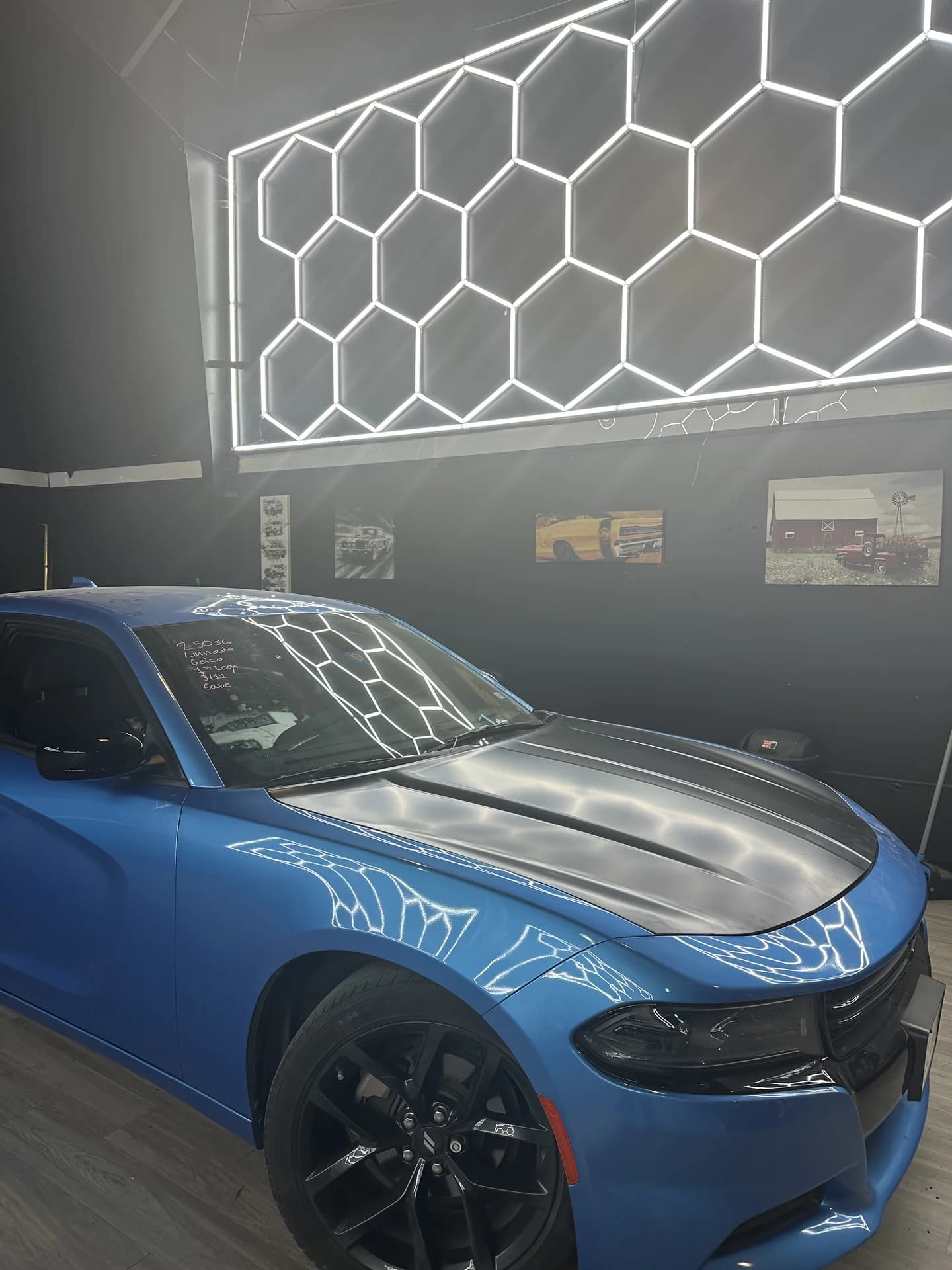
That "I'll Deal With It Later" Mindset Is Costing You
We get it. After a hailstorm, your car still starts, still drives fine. Those dents on the roof and hood are annoying, but they're not stopping you from getting to work.
So you tell yourself you'll handle it next month. Next month turns into next quarter. Next quarter turns into next year. And by the time you finally get around to it, you've created problems that didn't exist the day after the storm.
Procrastinating hail repair is one of the most expensive decisions a vehicle owner can make. The consequences of waiting compound in ways most people don't anticipate.
Reason 1: Rust Doesn't Wait for You
This is the big one, and it's the reason that turns a cosmetic problem into a structural one.
When hailstones strike your vehicle, they don't just create visible dents. They also create micro-fractures in the clear coat and paint. Tiny cracks that are invisible to the naked eye but very real at a microscopic level. These fractures break the seal that protects the bare metal underneath from the elements.
Here's the progression: moisture penetrates the micro-fractures, oxidation begins as small bubbles under the paint, rust spreads beneath the surface, and eventually paint flakes and peels. Exposing bare metal and accelerating the cycle.
In humid climates, this process can begin within weeks. Once rust takes hold, the damage is no longer cosmetic. It's structural. Paintless dent repair can only work when the paint surface is intact. Wait until rust has compromised the finish, and you're looking at conventional body repair with sanding, filler, and repaint. Far more expensive and permanently altering your factory finish.
The clock starts ticking the moment the last hailstone falls.
Reason 2: Your Vehicle's Value Is Dropping Right Now
The moment your car sustains visible hail damage, its market value decreases. This is called diminished value, and it's not a small number.
A vehicle worth $30,000 clean might only bring $24,000 to $26,000 with visible hail damage. A $4,000 to $6,000 loss you absorb every day. Trade-in offers drop even more, because dealerships factor in repair costs plus their margin.
Getting the repair done promptly with PDR (which preserves factory paint and doesn't show up as body work) restores your vehicle to its pre-storm value. Every week you wait is a week you're driving a depreciated asset.
Reason 3: Insurance Deadlines Are More Real Than You Think
Most auto insurance policies have a statute of limitations for filing comprehensive claims. The specific timeline varies by state and by carrier, but the general expectation is that you'll file your claim within a reasonable period after the damage occurs.
Here's where people get tripped up:
We've seen vehicle owners lose their right to file entirely because they waited too long. Turning an insurance-covered repair into a $5,000 to $8,000 personal expense.
File your claim within 48 hours of the storm. Getting it on record preserves your rights.
Reason 4: Parts and Materials Get Scarce After Major Storms
Hail repair isn't always limited to dent removal. Many vehicles also need:
After a major hailstorm hits a metro area, demand for these parts spikes dramatically. Windshield glass, in particular, can go on backorder for weeks when thousands of vehicles in the same city need replacement simultaneously.
If you act quickly, your shop can order parts while they're still readily available. Wait a month, and you might be told that the windshield for your specific make and model is on a six-week backorder. Pushing your total repair timeline well past two months.
This problem compounds with newer or less common vehicles, where OEM parts have thinner supply chains to begin with.
Reason 5: Storm Season Backlogs Are Real. And They're Brutal
Here's a scenario that plays out every single year in cities across the hail belt:
1. A major hailstorm hits in April 2. Smart vehicle owners file claims and schedule repairs within the first two weeks 3. Repair shops fill their schedules through May and June 4. Procrastinators finally call in July, only to find that every reputable shop is booked solid for months 5. A second storm hits in late May or June, adding even more vehicles to the backlog 6. By August, wait times at quality shops stretch to three or four months
The people who acted immediately after the April storm had their cars repaired and back to normal within a few weeks. The people who waited are now deep into fall. Six months after the original damage. Still driving dented vehicles and still waiting for an appointment.
Acting early gives you your pick of the best shops in town. Waiting puts you at the mercy of whoever still has availability. Which often means storm chaser operations of questionable quality.
The Real Cost of Waiting
Let's add it all up. By procrastinating on hail repair, you're risking:
None of these risks exist if you act within the first week or two after a storm. All of them become increasingly likely the longer you wait.
What to Do Right Now
If your vehicle has unrepaired hail damage, here's your action plan:
At Sick of Hail, we prioritize getting storm-damaged vehicles scheduled quickly. We handle the insurance coordination, keep parts in stock, and work efficiently to keep turnaround times short. Even during peak season.
Don't let procrastination turn a manageable repair into an expensive regret. Reach out for a free assessment today.
Have Hail Damage? We Can Help.
Schedule a free inspection and get a complete damage assessment at no cost. Most customers with comprehensive coverage pay only their deductible.
Get Free Assessment